Urinary Blockage in Cats
Estimated reading time: 12 minutes
Key Takeaways
- Urinary blockage in cats is a life-threatening emergency caused by obstruction of the urethra, requiring immediate veterinary care. Source
- Watch for clear signs such as straining to urinate with little or no urine or blood in urine. Source
- Causes include urethral plugs, crystals, bladder stones, and stress-related inflammation. Learn more
- Male cats, overweight cats, indoor cats, and those fed dry food have higher risk of blockage. Details
- Immediate veterinary care to relieve obstruction can save your cat’s life and prevent kidney damage. Emergency care info
Table of contents
- Introduction
- What a Urinary Blockage Looks Like
- Why Blockages Happen
- Who Faces the Greatest Risk
- Emergency Level and Timing
- What Will Happen at the Clinic
- What You Must Do Now
- Challenge Common Assumptions
- Prevention Advice You Can Act On Now
- What to Watch For After Treatment
- Real Stories, Real Timelines
- How Vets Judge Urgency
- What You Will Hear From Responsible Sources
- Final Reality Check for Owners
- Keep This Checklist Near Your Phone
- Sources and Further Reading
Introduction
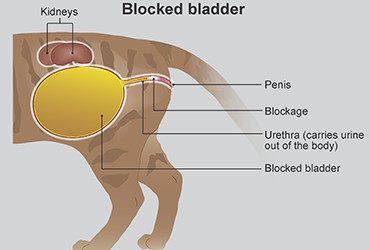
Urinary blockage in cats is a life-threatening emergency. Early recognition will save your cat. Urinary blockage happens when a cat’s urethra becomes blocked by inflammatory material, mucus, crystals, or small stones, and urine cannot leave the body. This is painful and may lead to death without quick care. Source. See our comprehensive guide on comprehensive veterinary services for expert care considerations.
This report gives clear signs to watch for, the causes researchers report, the risk factors vets name, what may happen if you delay, and what you should do now. Read with attention. Act fast if you suspect a blockage.
What a Urinary Blockage Looks Like
You will see clear warning signs. Look for these symptoms right away.
- Straining to urinate with little to no urine production, the defining sign of obstruction. Details
- Frequent trips to the litter box that end in repeated attempts to urinate. Source More info Using an advanced AI-powered litter box may help you monitor litter box habits early. Learn about AI litter boxes
- Loud vocalizing or crying out while trying to urinate. Source
- Blood in the urine, which may look pink, red, or brown. Source
- Excessive licking around the genital area. Source
- Urinating outside the litter box in places like bathtubs or sinks. Details
- Loss of appetite and lethargy. Source
- Vomiting. Details
- A painful, tense belly on touch. Source
- Hiding or avoiding people. Source
These signs may come fast. As the blockage goes on, the cat will develop an electrolyte imbalance, a depressed mental state, more vomiting, and a slow heart rate. Source Prolonged blockage will overfill the bladder. That leads to kidney damage, bladder rupture, and a build-up of toxins in the blood. Details Immediate care is necessary to avoid complications common in emergency pet care situations. Emergency care info
Why Blockages Happen
Blockage typically follows a mix of physical, medical, and environmental factors. Researchers list these causes.
Structural and Physical Causes
- Urethral plugs, a mix of bladder lining cells, mucus, and mineral crystals, are the top cause in male cats. Read more
- Urinary crystals and stones, mineral deposits that form in urine, may block the urethra. Source
- Bladder stones may move into the urethra and cause obstruction. Details
- Urethral narrowing or cancer may block flow, though vets report these are rare. Source
Medical and Environmental Causes
- Feline idiopathic cystitis, an inflammation of the bladder linked to stress, plays a large role. More info
- Urinary tract infections may contribute. Source
- In up to 50 percent of cases, vets find no clear cause; inflammation likely plays a major role. Study
- Diets high in magnesium increase risk. Details
- Dehydration and low water intake raise the odds. Source
- Stress triggers or worsens the problem. Source
Who Faces the Greatest Risk
Vets point to clear risk factors. Know them for prevention.
- Male cats face a much higher risk because their urethras are longer and narrower. Hill’s Pet Source
- Neutered males with narrow urethras may have involuntary muscle spasms that raise risk. Details
- Overweight cats show higher rates of blockage. Source
- Indoor cats have higher risk. Study
- Cats fed only dry food face more risk. Source
Emergency Level and Timing
Treat urinary blockage as a medical emergency. Source Vets stress the difference between obstructed cats and cats with lower urinary tract disease without blockage. FLUTD and feline idiopathic cystitis often produce pain and urinary signs but often do not need instant action. Urethral obstruction will cause rapid decline and may become fatal if untreated. More info
If your cat stops producing urine and shows any blood in the urine, get immediate veterinary care. Delay will let toxins build in the bloodstream and harm the kidneys. Source
What Will Happen at the Clinic
Vets will act fast. The first goal will be to restore urine flow and stabilize your pet. They will check blood electrolytes and kidney values. They will place a urinary catheter to relieve the obstruction and flush the urethra. They will give fluids to correct dehydration and electrolyte problems. Vets will monitor the cat closely for heart and kidney signs.
If the blockage proves recurrent, surgery such as a perineal urethrostomy may be discussed.
This section summarizes common clinical steps vets use. Seek a veterinarian for specific care. Mobile veterinary clinics may provide urgent in-home assessments in some locations. Learn more
What You Must Do Now
Do not wait. Follow these steps.
- If your cat shows straining with little or no urine, call your veterinarian now.
- Do not try home remedies or force fluids at home without vet instructions.
- Keep your cat calm, warm, and confined for transport.
- Bring any urine you have in a clean container to the clinic.
- If you cannot reach your regular vet, go to an emergency clinic.
- Ask the clinic to check electrolytes and place a urinary catheter if blockage is present.
Challenge Common Assumptions
Owners and some pet guides repeat several assumptions. Test these with facts.
- Assumption: Only male cats face the risk.
Fact: Males face the highest risk due to anatomy. Females face much lower risk, but they still show bladder disease. Source Details - Assumption: Crystals always cause blockages.
Fact: Crystals or stones do block some cats, but inflammation and mucus often form urethral plugs. Up to half of cases have no clear cause, and inflammation likely plays a role. More info Source - Assumption: Dry food alone causes obstruction.
Fact: Dry food raises risk by lowering water intake. Still, blockage results from a mix of factors, including stress, obesity, anatomy, and inflammation. Details Source - Assumption: A small amount of urine rules out emergency.
Fact: Little or no urine on repeated trips is the key sign of obstruction. Straining with minimal urine is a crisis. Source More info
Prevention Advice You Can Act On Now
Prevention shifts risk in your favor. Use clear steps.
- Increase water intake. Offer fresh water in several bowls around the house. Add water to canned food. Switch some feeding to wet food. Dehydration raises risk. Source Details
- Reduce stress at home. Provide hiding spots, routine, play, and quiet litter box areas. Stress links to feline idiopathic cystitis. Source More info
- Avoid diets high in magnesium. Discuss diet options with your vet, especially if your cat has urinary signs. Details
- Control weight. Overweight cats face higher risk. Manage feeding and exercise with your vet. Source
- Provide easy litter box access. Indoor cats with poor access face higher risk. Keep boxes clean and in quiet spots. Details Consider advanced monitoring tools like an AI litter box to track habits. Learn more
What to Watch For After Treatment
If your cat leaves the clinic, watch closely. Monitor litter box use. Note any straining, blood in urine, or hiding. Keep follow-up appointments. Recurrent blockage may require surgical options. Discuss long-term diet and stress control with your vet.
Real Stories, Real Timelines
Owners often report fast decline over hours. A cat may go from normal to collapsed in a single day. The window to act is short. If urine output stops, toxins will rise in the blood. Electrolyte shifts will slow the heart. Kidney function will fall. These results stem from the same processes vets warn about in clinical sources. Source Details
How Vets Judge Urgency
Vets use three clear signs to mark emergency level.
- No or very little urine output. This marks obstruction. Source
- Blood in the urine with straining. This raises concern. Details
- Systemic signs such as vomiting, lethargy, or slow heart rate. These show toxins affect the body. Source
What You Will Hear From Responsible Sources
Clinical guides stress quick action. They list the same signs and causes reviewed here. They urge immediate veterinary evaluation for any male cat that strains and produces little or no urine. They point out that many cases show no clear cause, which makes prevention and risk reduction the best strategy. Source Details More info
Final Reality Check for Owners
You will face a choice if your cat shows signs. Act fast. Do not wait for improvement. The difference between rapid veterinary care and delay will affect survival, kidney health, and need for later surgery. This story repeats in clinic records and expert guides. Source Details More info
Keep This Checklist Near Your Phone
- Spot straining with little urine. Call vet now. Source
- Look for blood in urine. Bring sample if possible. Details
- Keep cat warm and quiet for transport. Source
- Expect fluids, electrolytes checks, and catheter placement at clinic. Details
Sources and Further Reading
All research points in this report come from veterinary and emergency sources. Read their full guides for clinic-level detail.
- Animal Specialty Emergency Center, feline urinary obstruction brief, definition and urgency.
- PetMD, urinary tract blockage in cats, symptoms, causes, and emergency discussion.
- East Valley Cat Clinic, cat urinary blockage overview, symptoms and causes.
- Greater Savannah Veterinary Specialists, emergency guide to cat urinary blockage.
- Hill’s Pet, male cat urinary blockage overview, signs and complications.
- PDSA, blocked bladder in cats, symptoms and risk factors.
For ongoing health, consider also researching trusted local veterinary care services for follow-up and comprehensive monitoring. More info
Keep your eyes open. Trust your instincts. If your cat struggles to urinate, act now. Your fast action will give your cat the best chance.