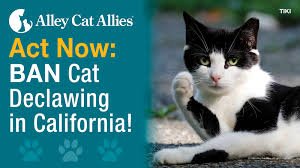

Alex Lee Pet Procedure Bill: The New California Law Banning Cat Declawing
Estimated reading time: 7 minutes
Key Takeaways
- Assembly Bill 867 (AB 867) by Alex Lee bans elective cat declawing in California starting January 1, 2026.
- The law allows declawing only for narrow medical exceptions, emphasizing feline health over convenience.
- Declawing is a surgical amputation with serious health and behavioral consequences for cats.
- Alternatives such as nail trimming, soft nail caps, and scratching posts are effective and humane options.
- The bill enjoys broad political support and is backed by key animal welfare organizations.
Table of contents
- Alex Lee Pet Procedure Bill: The New California Law Banning Cat Declawing
- What Does AB 867 Do?
- Why Ban Cat Declawing?
- What Are the Alternatives?
- Medical Exceptions Are Narrow and Clear
- Political and Legislative Context
- Supporters and Advocacy Groups
- Impact on Veterinary Practices and Cat Owners
- What About Human Health?
- Where Do We Go From Here?
- Frequently Asked Questions
California is changing how it treats cats. Assemblymember Alex Lee’s pet procedure bill, Assembly Bill 867 (AB 867), bans cat declawing in the state starting January 1, 2026. This law stops veterinarians from performing cat declawing unless it is medically necessary. The bill is a shift in animal welfare policy. It aims to end a surgical practice that harms cats without health benefits.
What Does AB 867 Do?
Alex Lee’s bill makes elective cat declawing illegal in California. Declawing is not a trim of the nails. It is a surgical amputation. The last bone of each cat’s toe is removed. This changes how the cat walks and uses its paws.
- Declawing is banned except for medical reasons that benefit the cat’s health.
- Veterinarians cannot do it for convenience, like protecting furniture.
- The procedure cannot be done for appearance or to control behavior when other options exist.
The ban takes effect on January 1, 2026. The bill passed both legislative houses unanimously. Governor Gavin Newsom signed it into law alongside other animal welfare bills. The move aims to protect cats and end abusive practices in pet care. Mobile veterinary care delivered to your home.
Sources:
Why Ban Cat Declawing?
Declawing poses serious health risks to cats. It is a permanent surgery with lasting effects. Experts and animal welfare groups call it harmful. The procedure amputates part of the cat’s toes. This affects the cat’s movement and behavior.
Doctors and advocates list these problems:
- Pain in paws, infection, lameness
- Nerve damage and formation of bone spurs
- Altered gait causing back pain and difficulty walking
- Behavioral changes, including increased biting or avoiding litter boxes
Declawing removes a cat’s natural defense. Scratching is normal for cats. It helps them stretch, mark territory, and protect themselves. Taking away claws changes their natural behavior, often with negative results. Learn more about convenient veterinary care.
Sources:
What Are the Alternatives?
If scratching is a problem, other options exist to manage it safely. The bill supporters highlight these non-surgical methods:
- Regular nail trimming keeps claws short and less damaging
- Soft nail caps protect surfaces and reduce damage
- Providing scratching posts and pads redirects natural scratching behavior
- Behavior training discourages destructive scratching
These alternatives avoid harming the cat. They address owner concerns without surgery. Advocate groups say these steps make declawing unnecessary. Mobile veterinary care options.
Source:
Medical Exceptions Are Narrow and Clear
The law allows declawing only for therapeutic reasons. If a vet finds a health condition requiring the procedure, it may proceed. This exception focuses on the cat’s well-being, not human convenience.
An injury or disease may make declawing necessary. The law demands that the procedure benefits the cat’s health. Learn about veterinary care delivery.
Political and Legislative Context
Alex Lee’s AB 867 is part of a larger animal welfare push in California. Governor Newsom signed it alongside bills targeting puppy mills and improving pet sales transparency. California is advancing laws to improve animal treatment overall.
The bill passed with unanimous votes, showing broad support. It stands as a model for other states. Many countries have already banned declawing because of animal welfare concerns. California’s law follows global trends to protect companion animals. Mobile veterinary care.
Sources:
Supporters and Advocacy Groups
Several organizations backed the bill openly:
- Animal Legal Defense Fund (ALDF): Calls declawing a permanent amputation with lifelong effects. Supports humane alternatives and therapeutic exceptions only.
- The Paw Project: Has fought cat declawing for years. Its founder praised the ban as important to protect cats.
- Humane World for Animals: Calls the ban a moral milestone ending a cruel practice.
- Humane Veterinary Medical Alliance: Thanks Lee and Newsom for protecting feline health with this law.
These groups highlight the bill’s importance in ending procedures with no clear benefits for cats. Veterinary care resources.
Sources:
Impact on Veterinary Practices and Cat Owners
Veterinarians will need to adjust their practices. Declawing for elective reasons will stop in California. Vets will perform it only for clear medical necessity.
Cat owners must explore alternatives. Routine nail care and environmental enrichment take priority. Behavior issues linked to scratching require training rather than surgery. Learn about mobile veterinary care.
This change means more communication between vets and owners about humane care. It creates a new standard for cat health and welfare.
What About Human Health?
Some advocates for declawing say it protects people with weak immune systems from scratches. The bill’s backers reject this. Experts suggest hygiene, parasite control, and practical measures instead. Removing claws is not a health solution for humans.
Source:
Where Do We Go From Here?
The upcoming start date gives vets and cat owners time to adapt. The law encourages humane, health-focused pet care. It sets a legal standard for ending harmful elective surgeries. Access convenient veterinary care.
California’s move might prompt other states to follow. The bill shows how legislation can improve animal welfare with clear rules and exceptions.
Veterinarians, animal advocates, and owners face a task. They must maintain cat welfare without declawing. They will rely on education, training, and new care practices.
AB 867 is a law grounded in science and ethics. It puts cats’ health first. The bill’s clear language and unanimous legislative support underline its seriousness.
You can prepare by learning alternatives to declawing and supporting humane pet care. This law challenges old routines. It invites a better way to protect the animals you care about. Explore mobile veterinary options.
Frequently Asked Questions
The law becomes active January 1, 2026, banning elective cat declawing in California.
Yes, declawing is permitted only for medical reasons that improve a cat’s health, as determined by a veterinarian.
Regular nail trimming, soft nail caps, scratching posts, and behavior training are humane and effective alternatives.
Veterinarians will cease elective declawing and only perform the procedure when medically justified, focusing on feline health.
Because it amputates bones, causes pain, nerve damage, movement issues, and behavioral problems for cats.
}
2 thoughts on “Alex Lee Pet Procedure Bill: Understanding California’s New Law Banning Cat Declawing”
Comments are closed.