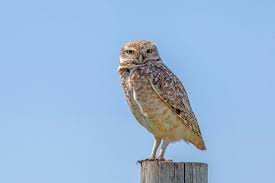

Burrowing Owl Pet: Why You Should Avoid Keeping One
Estimated reading time: 7 minutes
Key Takeaways
- Burrowing owls are wild, protected birds and illegal to keep as pets in most places.
- Owning any owl requires specialized care, permits, and long-term commitment that most cannot meet.
- Burrowing owls need ground-level burrows, live prey diets, and large spaces—not typical pet conditions.
- Illegal captivity harms conservation efforts and threatens the species’ survival.
- Better to engage responsibly via licensed wildlife rehabilitation or conservation volunteering.
Table of contents
If you think about having a burrowing owl as a pet, you should know this: it is illegal and impractical in most places. Burrowing owls are wild, protected birds that need special care not suited for home life. This post explains why owning a burrowing owl is not a simple choice. It looks at legal rules, care challenges, and better ways to connect with these unique birds.
Burrowing Owls Are Protected by Law
In the United States, burrowing owls fall under the Migratory Bird Treaty Act. This law makes it illegal to capture, keep, sell, buy, or transport them unless you have special federal permits. The U.S. Fish & Wildlife Service calls burrowing owls “vulnerable or imperiled” in almost every state where they live. This means their numbers are low and they need protection.
Private people cannot legally own native owls as pets. Only licensed, trained professionals may hold owls, and only for limited reasons such as wildlife rehabilitation, education, or breeding. Even then, the owls remain government property (“stewardship,” not ownership).
The International Owl Center and WebMD both confirm that pet owls are not legal in most countries. In the U.S., only trained, licensed individuals working in permitted settings have them. Source URLs:
International Owl Center
WebMD
U.S. Fish & Wildlife Service
Alex Lee Pet Procedure Bill
Owning Any Owl Requires Special Conditions
Some countries, like the UK, allow private ownership of certain owl species if the birds are captive-bred, legally acquired, and properly registered. Even here, experts say owls do not make good pets due to their special needs. Burrowing owls are almost never found as legal pets even in these places.
If you hear claims online that all owls are illegal to own, they are only partly right. Legal rules differ by country and species, but no one should expect to keep an owl without meeting demanding requirements. Source:
Owls as Pets: Care & Legal
Cotner Pet Care Veterinary Clinic
Why Burrowing Owls Make Poor Pets
Owls like burrowing owls do not live happy or healthy lives in homes.
- Diet: Owls are strict carnivores. They eat whole animals like mice and small mammals, never seeds or pellets. You must prepare these prey items carefully, thawing and removing organs before feeding. This task repeats nightly for many years.
Source: International Owl Center, WebMD - Housing: Owls need large, sturdy spaces to fly. A typical birdcage does not work. Burrowing owls require ground-level, diggable areas with artificial burrows. Creating this at home is extremely difficult.
Source: WebMD - Behavior: Owls are wild animals. They do not enjoy petting or cuddling. Touching them causes stress and can trigger biting or scratching. Burrowing owls are alert and easily frightened by noise, people, or other pets.
Source: International Owl Center, WebMD - Mess: Owls tear prey apart and leave remains everywhere. They defecate often, and feces smell strong due to their meat diet. Cleaning is a nonstop, daily chore.
Source: International Owl Center, WebMD - Lifespan and vet care: Some owls live from 10 to 30 years in captivity. You need long-term commitment and vets with special raptor knowledge. Many vets lack training for birds of prey.
Source: International Owl Center
(For specialized veterinary care, check out services like Cotner Pet Care as a resource for small animals needing expert care.) - Safety: Owls have sharp beaks and talons. Even the small burrowing owl can cause serious injuries. Experts warn against letting owls near children or other pets without strict control because they remain hunters.
Source: International Owl Center, WebMD
Who Can Keep Burrowing Owls?
Legal burrowing owl keepers include:
- Wildlife rehabilitation centers treating injured or orphaned owls under permits.
- Zoos or educational centers using non-releasable owls for teaching and conservation.
- Accredited captive breeding programs with federal oversight.
In these cases, owls are never personal property but remain under agency control. Source: International Owl Center, WebMD
(If interested in wildlife rehabilitation or veterinary outreach, learning from mobile clinics like VIP Pet Care Mobile Clinic can be helpful.)
Ethical and Conservation Issues
Burrowing owls face habitat loss from farming and human activity. Their numbers decline in many areas. Removing owls from the wild or supporting illegal trade hurts efforts to save them. This also breaks laws protecting the species. Source: U.S. Fish & Wildlife Service
Understanding legislative protections similar to the Alex Lee Pet Procedure Bill shows how laws are made to protect animal welfare across species.
How to Engage with Burrowing Owls Responsibly
If you want to work with burrowing owls or other raptors:
- Volunteer or intern at licensed wildlife rehabilitation centers, raptor rescues, or zoos.
- Support habitat conservation projects working to monitor and protect owls.
- Contact licensed falconers or wildlife rehabilitators for formal training and permits. Even then, owls stay wild animals, not pets.
Source: International Owl Center, WebMD
For those interested in gaining veterinary knowledge while helping wildlife, consider mobile veterinary services that support community animal health. VIP Pet Care Mobile Clinic
What You Should Know
Burrowing owls are wild birds, protected by law and complex care needs. You cannot legally buy or keep one as a pet in the U.S. or most countries. The idea of a pet burrowing owl appeals to many, but in reality, these birds require expertise, large spaces, live prey diets, and strict legal permissions. Removing owls from nature threatens their survival, harms ecosystems, and breaks laws.
You should look for licensed paths to learn about and help owls, rather than owning one. Your respect for their nature and legal status supports their future in the wild. Learn more about legal protections here.
Frequently Asked Questions
- Is it legal to own burrowing owls as pets?
- What special care do owls need?
- Can I get permits to keep an owl legally?
- How can I help burrowing owls without owning one?
Is it legal to own burrowing owls as pets?
No, in the United States and most countries, burrowing owls are protected by laws like the Migratory Bird Treaty Act. Only licensed professionals with permits may keep them, usually for rehabilitation or educational purposes. Unauthorized ownership is illegal and punishable by law.
What special care do owls need?
Owls require a diet of whole prey such as mice, large flight spaces with burrow-like habitats, minimal handling to reduce stress, and expert veterinary care due to their specific needs. They are not suited for casual pet ownership.
Can I get permits to keep an owl legally?
Permits are typically only granted to licensed wildlife rehabilitators, educational institutions, or accredited breeders, and require strict adherence to federal and state regulations. The process is complex and not available to casual pet owners.
How can I help burrowing owls without owning one?
Consider volunteering at wildlife rehabilitation centers or conservation projects, supporting habitat protection efforts, or learning from licensed professionals. These responsible actions assist conservation and respect the owl’s wild nature.