
Pet Adoption Org: Understanding How These Organizations Save Lives and Find Homes
Estimated reading time: 8 minutes
Key Takeaways
- Pet adoption orgs help place animals in loving homes through shelters, rescues, and events.
- Several types exist: local humane societies, no-kill rescues, national nonprofits, and adoption networks.
- They provide comprehensive care: medical treatment, behavior training, fostering, and community outreach.
- Leading organizations include ASPCA, Best Friends Animal Society, and BISSELL Pet Foundation.
- Understanding their work helps you adopt responsibly or support their lifesaving missions.
Table of contents
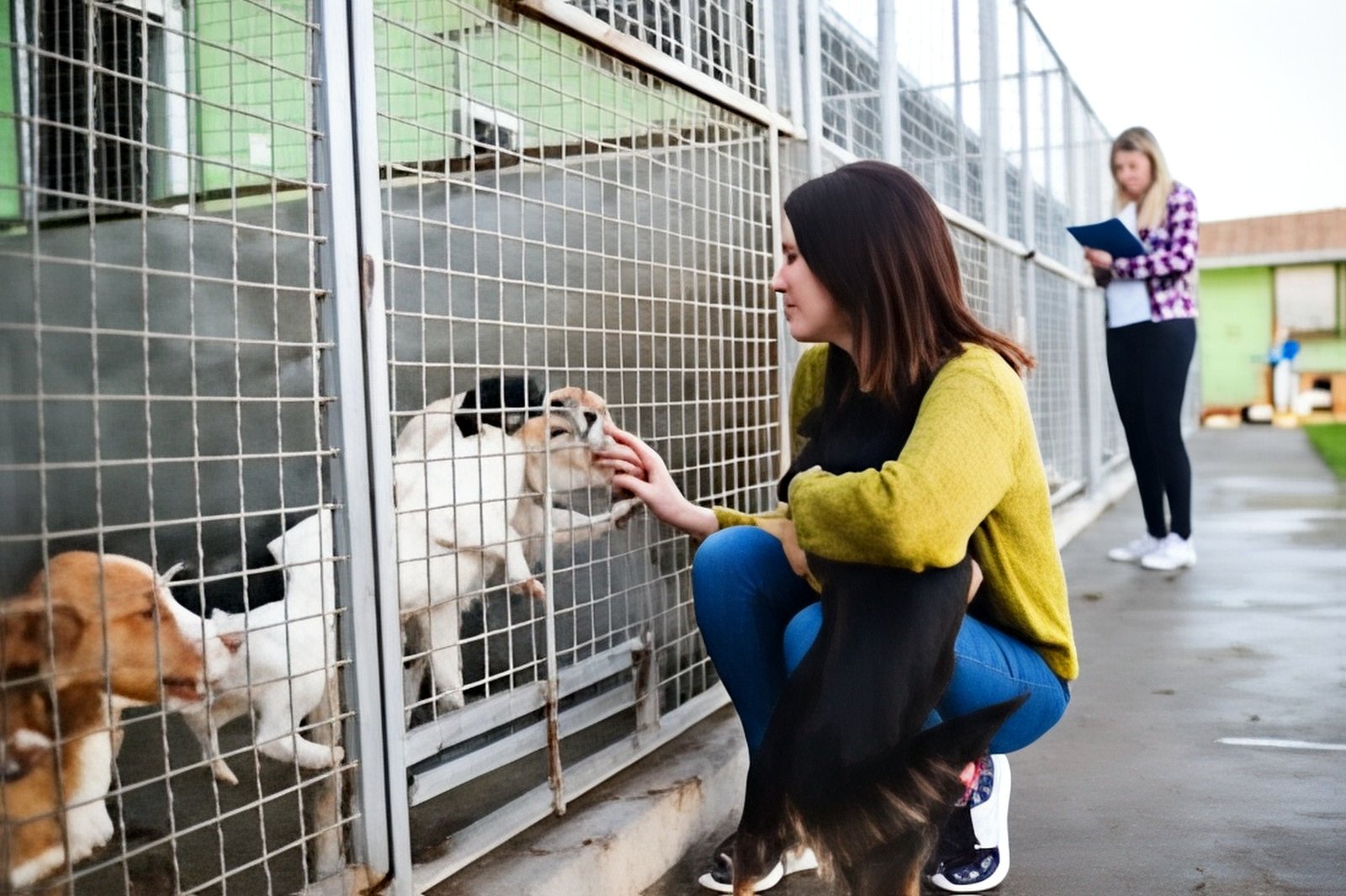
When you hear the term pet adoption org, it usually means groups that help people adopt dogs, cats, and sometimes small animals from shelters or rescues. These groups work to place animals in loving homes instead of having them bought from breeders or pet stores. You might know some local humane societies or national nonprofits that do this work. Others form networks to support shelters or run adoption events designed to find homes for many pets quickly.
Exploring pet adoption organizations shows how they operate and why they matter. Knowing how these groups work helps you decide where to find your new companion or how to support their efforts.
Types of Pet Adoption Organizations
Pet adoption orgs come in different forms. Each has a unique mission and method to save pets and connect them with owners.
- Local humane societies and SPCAs
They run shelters, offer adoptions, perform spay and neuter surgeries, and educate communities about animals. Examples include the SPCA of Texas in North Texas and the Animal Humane Society in Minnesota. These societies focus on care and rehoming locally.
(Sources: spca.org, animalhumanesociety.org, aspca.org) - Independent no-kill shelters and rescues
These handle animals from high-kill shelters. They provide medical care and foster homes before adoptions. Examples include Operation Kindness in Texas and The Milo Foundation in California. They work to reduce euthanasia by saving pets at risk.
(Sources: operationkindness.org, milofoundation.org) - National organizations
These influence animal welfare laws, provide funding, and run large rescue programs. They also facilitate adoptions. Examples are the ASPCA and Best Friends Animal Society. Their work spans the entire country with an eye on large-scale impact.
(Sources: aspca.org, bestfriends.org) - Adoption networks and event programs
These coordinate many shelters and rescues through national partners or timed adoption events to increase placements. Examples include BISSELL Pet Foundation’s Empty the Shelters and PetSmart Charities adoption programs. They create opportunities for families to find pets affordably in a short time.
(Sources: bissellpetfoundation.org, petsmartcharities.org, bestfriends.org)
Examples of Representative Organizations
Knowing leading organizations gives insight into how adoption efforts unfold nationally.
- ASPCA (American Society for the Prevention of Cruelty to Animals)
It rescues abused animals, helps pass humane laws, and supports shelters nationwide. Their programs include cruelty investigations, shelter outreach, disaster response, spay/neuter efforts, and foster/adoption services.
(Source: aspca.org) - Best Friends Animal Society
This nonprofit aims to save the lives of cats and dogs and end euthanasia in shelters. They operate a sanctuary in Utah and partner with local shelters to improve adoption and reduce shelter killings.
(Source: bestfriends.org) - BISSELL Pet Foundation – Empty the Shelters
Runs the largest funded adoption event in the U.S., offering reduced or sponsored fees to help pets find homes quickly. They partner with hundreds of shelters and rescues nationwide.
(Source: bissellpetfoundation.org) - PetSmart Charities
Supports local rescues and shelters with grants, adoption centers, and in-store adoption events. They provide an online pet search to start adoptions.
(Source: petsmartcharities.org/adopt-a-pet) - Operation Kindness, Texas
This no-kill shelter provides adoptions, veterinary care, foster programs, and a pet food pantry for families. In 2024, they recorded 5,785 adoptions and served over 36,000 community pets. They performed more than 15,000 spay/neuter surgeries to control pet populations.
(Source: operationkindness.org) - The Milo Foundation, California
A no-kill group rescuing from high-kill shelters with adoption, rescue, and sanctuary care. They place about 1,800 dogs and cats into homes every year.
(Source: milofoundation.org) - SPCA of Texas
Leading animal welfare agency in North Texas. They offer adoption, fostering, affordable clinics, cruelty reporting, and education to keep pets safe and cared for.
(Source: spca.org) - Animal Humane Society, Minnesota
Provides adoption for a wide range of pets including rabbits and barn cats. Runs veterinary centers, training, and rescue programs. They publish their impact openly.
(Source: animalhumanesociety.org)
How Pet Adoption Organizations Operate
Most organizations follow a similar process in rescuing and placing animals.
- Intake and rescue
They accept owner surrenders, strays, and transfers from shelters at risk of euthanasia. This builds a pool of animals ready for care and adoption.
(Sources: milofoundation.org, animalhumanesociety.org, bestfriends.org) - Health and behavior care
Animals receive medical exams, vaccinations, and spay/neuter surgeries. Ill or injured pets get treatment. Behavior assessments and training programs prepare pets for successful adoptions.
(Sources: operationkindness.org, milofoundation.org, animalhumanesociety.org, bestfriends.org) Here, veterinary care is crucial, much like the services provided by mobile clinics such as VIP Pet Care Mobile Clinic for convenient ongoing pet health support. - Adoption process
Prospective adopters complete applications and meet pets. Organizations screen applicants to ensure a good fit. Policies differ by group but often include home and pet lifestyle checks.
(Sources: bissellpetfoundation.org, milofoundation.org, animalhumanesociety.org) - Foster care
Many rely on foster homes for puppies, kittens, medical cases, or pets needing behavior improvement. Fosters offer temporary safe spaces.
(Sources: operationkindness.org, animalhumanesociety.org, bestfriends.org) - Community and support services
Organizations run spay/neuter clinics, vaccination drives, pet food pantries, and offer support so owners keep pets instead of surrendering them. Education on responsible pet care also plays a role. Such community outreach programs align with legislative efforts like the Alex Lee Pet Procedure Bill, which works to protect pet health and welfare.
(Sources: operationkindness.org, spca.org, animalhumanesociety.org, milofoundation.org, aspca.org, bestfriends.org)
Networks and Local Rescue Lists
Many cities and shelters provide lists of rescue partners to broaden adoption options.
- Municipalities, like San Antonio, publish directories including breed-specific and general rescue groups. This connects adopters to more choices.
- Shelters display rescue partners on websites to coordinate transfers and organize adoption events. These coalitions expand reach and improve outcomes.
(Sources: bissellpetfoundation.org, animalhumanesociety.org, bestfriends.org) Leveraging local and national partnerships helps replicate the convenience seen in veterinary services such as those offered by Cotner Pet Care for small animals, facilitating comprehensive care during adoption.
What This Means for You
If you’re thinking about adopting a pet, understanding pet adoption orgs helps you make informed choices. You can:
- Find local humane societies or no-kill shelters near you.
- Explore national networks for broader options.
- Attend adoption events sponsored by organizations like BISSELL or PetSmart Charities.
- Consider fostering to support animals on their way to homes.
- Use online resources from these orgs to start adoption searches.
- Support spay/neuter and food pantry programs to reduce shelter intake.
- Advocate for policies that protect animal welfare.
Pet adoption orgs work hard to place animals in permanent homes and improve communities. Each group offers unique services and partnerships, but their goal is common: no healthy pet should wait for a family.
Your choice to adopt helps save lives and reduce shelter overcrowding. It demands responsibility but offers companionship and purpose. Look up local groups, ask questions, and take the next step toward welcoming a pet into your life.
The organizations detailed here represent some of the most effective and transparent players you will find. Their work shows the importance of coordinated rescue, comprehensive care, and community engagement in saving animals. Use their resources with confidence to find your new friend or make a difference in your area.
Frequently Asked Questions
- What is a pet adoption organization?
A pet adoption organization is a group that helps animals find permanent homes by running shelters, rescue operations, fostering, and adoption events.
- How can I support pet adoption or animals in need?
You can support by adopting, volunteering, donating to organizations like ASPCA, fostering pets, or advocating for animal welfare policies.
- What should I expect when adopting a pet?
Expect a screening process that may include applications, interviews, and home visits to ensure a good match. Organizations will provide health and behavior info and sometimes require post-adoption support.
- Are there special pet adoption events I can attend?
Yes. Many groups like BISSELL Pet Foundation and PetSmart Charities host adoption events offering reduced fees and many available pets.
- How do foster programs work?
Foster programs provide temporary homes for pets needing care, medical treatment, or socialization until they are ready for permanent adoption.
1 thought on “Pet Adoption Org: A Comprehensive Guide to How These Organizations Save Lives and Find Loving Homes”
Comments are closed.