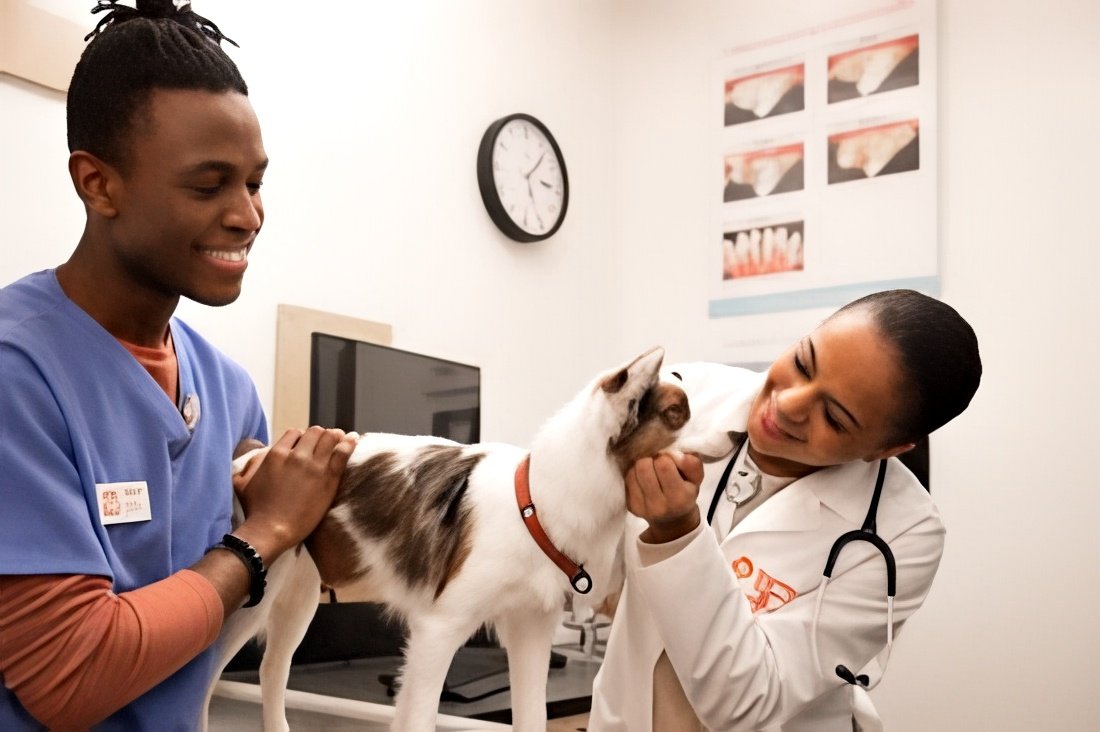


Banfield Pet Hospital: A Closer Look at America’s Leading Preventive Veterinary Care Network
Estimated reading time: 10 minutes
Key Takeaways
- Banfield Pet Hospital is one of the largest veterinary networks in the U.S., focusing strongly on preventive veterinary care.
- Founded in 1955, Banfield grew by innovating with subscription-based wellness plans and partnerships inside PetSmart stores.
- The Optimum Wellness Plans exemplify their proactive health model, emphasizing routine exams and planning over reactive treatment.
- Banfield operates over 1,000 hospitals, serving millions of pets with extensive support staff and veterinarians.
- Corporate ownership by Mars, Incorporated provides vast resources but also raises questions about personalized care versus corporate scale.
- They engage in community support through the Banfield Foundation and partnerships with groups like Boys & Girls Clubs, promoting pet welfare and veterinary education.
Table of contents
- Origins and Expansion
- Scale and Presence Today
- Medical Model Focus: Preventive Care
- Optimum Wellness Plans (OWPs)
- Corporate Structure and Industry Impact
- Veterinary Education and Professional Support
- Social Responsibility and Community Engagement
- What Should You Take Away?
- Frequently Asked Questions
Origins and Expansion
Banfield’s story begins in Portland, Oregon, in 1955, founded by veterinarian Warren J. Wegert. The name comes from a local area and highway, anchoring the practice in community roots. The practice changed hands in 1986, bought by veterinarian Scott Campbell. Campbell pushed Banfield beyond a single neighborhood clinic, emphasizing human-quality medicine
and customer service.
By the late 1980s, Banfield innovated with the Optimum Wellness Plan, introducing an HMO-style subscription for preventive pet care. This was an early model of planned health maintenance for pets, focusing on prevention rather than treatment after illness.
The 1990s marked a turning point. Banfield formed a partnership to provide veterinary services inside PetSmart stores. By 2000, Banfield had purchased and upgraded PetSmart’s 118 in-store clinics into full-service hospitals. This helped build one of the first large national veterinary networks.
By the early 2000s, Banfield operated over 300 hospitals and 100 wellness clinics across multiple states. It saw about 2.5 million pets yearly and provided 5 percent of all U.S. veterinary care — an impressive market share for a growing corporate network. In 2003, Banfield opened its first overseas hospital in Manchester, England, and partnered with Mexico’s National Autonomous University (UNAM) to establish teaching hospitals.
In 2007, Banfield became part of Mars, Incorporated, expanding its resources and reach. Mars owns multiple veterinary groups and pet brands, consolidating Banfield into a larger pet care ecosystem. This corporate approach contrasts with local, independent clinics such as Cotner Pet Care in Nebraska, which emphasizes community-based veterinary care alongside Banfield’s expansive network.
Scale and Presence Today
Today, Banfield operates more than 1,000 hospitals. These locations span 42 states across the U.S., Washington, D.C., and Puerto Rico. The network employs over 3,600 veterinarians and tens of thousands of support staff. Together, they see more than three million pets annually.
Banfield describes itself as the leading provider of preventive veterinary care in the U.S. Their widespread neighborhood hospitals often co-locate or sit near large pet retailers, promoting convenience. This large presence means they sometimes complement services offered by other pet care providers, including mobile veterinary options like VIP Pet Care Mobile Clinic that bring care directly to owners’ homes.
Medical Model Focus: Preventive Care
Banfield’s core philosophy revolves around preventive veterinary medicine. This means focusing on keeping pets healthy through regular monitoring, early detection, and life-stage wellness. They shift attention away from only treating acute or emergency problems.
Their preventive care model includes five categories:
- Primary care and routine exams
- Preventable disease control, including vaccines and parasite prevention
- Oral health programs
- Mobility maintenance to support healthy joints and muscles
- Nutrition advice and management
Such a model urges pet owners to think ahead. Instead of waiting for signs of illness, Banfield encourages scheduled wellness visits and care adjustments as pets age.
Core services include:
- Routine examinations and vaccinations
- Laboratory and basic imaging diagnostics
- Spay/neuter and other soft-tissue surgeries
- Dental care and procedures
- Monitoring and managing chronic diseases
This approach improves early disease detection and better long-term health outcomes. These services align with the types of comprehensive care promoted by many veterinary providers but stand out due to Banfield’s scale and subscription-based wellness plans.
Optimum Wellness Plans (OWPs)
Banfield’s Optimum Wellness Plans provide a clear example of its preventive care philosophy in action. These are membership-style plans focusing on planned, scheduled care rather than reactive treatment or traditional insurance models.
The OWP bundles several key services:
- Multiple scheduled exams per year
- Vaccinations tailored to the pet’s age and risk factors
- Routine diagnostic testing
- Discounts on additional services
The plan aims to make preventive care more predictable and affordable. Delivered through subscription, it encourages consistent, timely veterinary visits aligned with a pet’s life stage.
Originating in the late 1980s at the original Portland hospital, this plan became a core part of Banfield’s brand and strategy. It also served as a model marketed to other veterinary providers. Such planned care contrasts with emergency or last-minute treatments, reinforcing wellness as the foundation for pet health.
For more on veterinary insurance and subscription care models, see our discussion about mobile and proactive pet care options like VIP Pet Care Mobile Clinic.
Corporate Structure and Industry Impact
Banfield operates under Medical Management International, Inc. Since joining Mars in 2007, Banfield became part of one of the largest pet-care portfolios worldwide. Mars also owns other veterinary groups and pet food brands, offering breadth across animal care.
At Banfield’s inception, large corporations owned fewer than 5 percent of veterinary hospitals in the U.S. Banfield challenged this norm by expanding a corporate model for veterinary care at scale. This raised questions and debates around corporate ownership versus independent veterinary practices.
The model has advantages for consistency, quality control, and resources but invites scrutiny about local autonomy, personalized care, and profit motives. Similar discussions play out in the broader pet industry, as highlighted in topics like the Alex Lee Pet Procedure Bill, where regulatory actions impact veterinary and pet welfare practices.
Veterinary Education and Professional Support
Banfield invests in veterinary education and training. Collaboration with institutions like Mexico’s UNAM helped create teaching hospitals with full clinical facilities. These partnerships aim to improve veterinary education and professional standards.
Through mentorship programs and structured clinical environments, Banfield supports workforce development. This benefits not only Banfield’s hospitals but the broader veterinary community.
This focus on professional development is shared by other veterinary providers supportive of career paths, such as Becky’s Pet Care, which emphasizes growth and community impact in veterinary services.
Social Responsibility and Community Engagement
Banfield shows commitment beyond clinical services through its Corporate Social Responsibility (CSR) programs and the Banfield Foundation, a 501(c)(3) nonprofit launched in 2015. The Foundation funds veterinary care for pets in need and supports nonprofits that help animals and people.
Key activities include:
- Grants to shelters for equipment, dental care, and spay/neuter services
- Free preventive care clinics for pets owned by economically challenged individuals
- Disaster response support providing care for pets in emergencies
In a reported period, the Foundation issued 94 grants totaling about $640,000, helping more than 6,600 pets directly. Additional pets benefited from community clinics and shelter improvements.
Banfield also partners with organizations such as Boys & Girls Clubs of America. Together, they provide educational programs on animal care and careers in veterinary medicine to youth, encouraging involvement with animal welfare.
This type of community engagement aligns with the missions of many pet care-focused organizations and adoption groups, such as pet adoption organizations working to find homes and support for animals in need.
What Should You Take Away?
Banfield Pet Hospital represents a major force in veterinary medicine with a clear focus on prevention, convenience, and scale. Its size means broad service availability for many pet owners. Its preventive care model shifts focus away from emergency response toward maintaining health.
The Optimum Wellness Plans offer a practical way to engage with scheduled care and possibly spread costs more evenly over time. If you want regular care reminders and predictable clinic visits, OWP might fit your lifestyle.
On the other hand, some people question a large corporate chain model compared to independent veterinarians. You should think about what you want for your pet’s care. Consider if you prefer a local vet’s personalized service or bundled managed care at many convenient locations.
Banfield’s community efforts add value beyond clinical care. Their nonprofit work assists underserved pets and educates future veterinary professionals. These actions suggest an awareness of pet welfare challenges outside the exam room.
For pet owners, understanding Banfield’s approach helps you make informed choices. Whether you use Banfield or another provider, focus on preventive care routines. Lifelong health for your pet depends on regular checkups, vaccinations, and monitoring.
Banfield’s footprint and service style shape much of the U.S. veterinary landscape. Knowing their strengths and limits empowers you to demand quality care for your companion animals.
Frequently Asked Questions
- What makes Banfield’s preventive care model different?Banfield focuses on scheduled wellness visits, early detection, and continuous monitoring through their Optimum Wellness Plans, rather than just treating illnesses as they arise.
- Are Banfield’s wellness plans like pet insurance?No, the Optimum Wellness Plans are subscription-based care plans that cover preventive services and routine exams, not insurance for emergencies or major treatments.
- How widespread is Banfield’s presence?Banfield operates over 1,000 hospitals in 42 states, Washington D.C., and Puerto Rico, making it one of the largest veterinary networks in America.
- Does Banfield work with local independent vets?Banfield is a large corporate chain under Mars, Incorporated, and generally operates its own hospitals. However, it exists alongside numerous independent clinics like Cotner Pet Care.
- What community initiatives does Banfield support?Through the Banfield Foundation and partnerships, they fund grants for shelters, provide free preventive clinics for underserved pets, and support education with groups like Boys & Girls Clubs of America.
}